Lancia LC2: when Italy’s greatest minds took on the world
Light, agile and faster than anything else in early Group C racing, the LC2 had everything it needed to succeed. What stopped it?
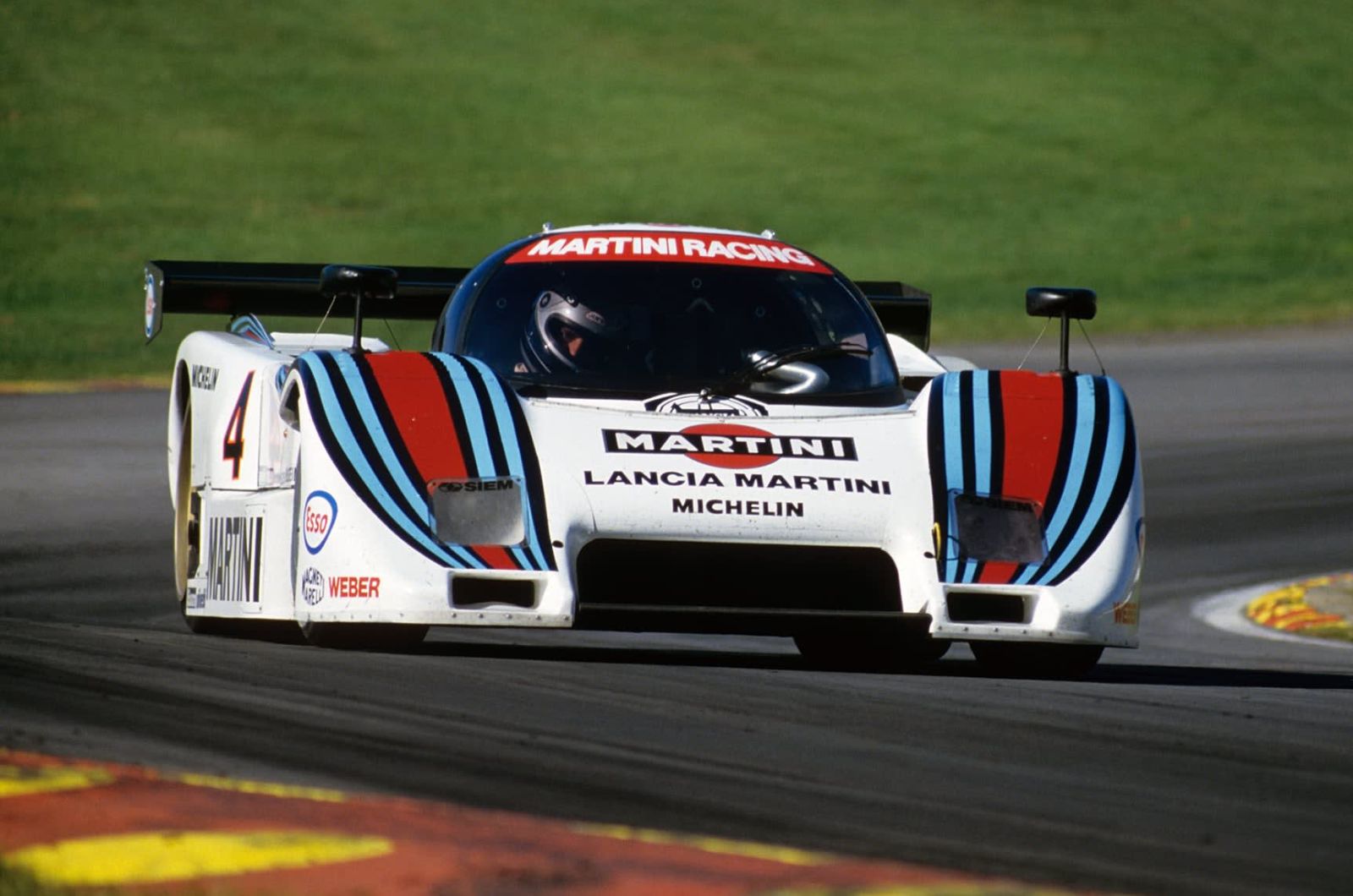
Pedigree is a curious thing: it can be a source of immense pride, but also an ominous reminder that nothing lasts forever. Lancia is a good example. Now chasing a renaissance of sorts as an electric car brand under its Stellantis overlords, it's a far cry from the manufacturer that once wielded enormous influence across the motorsport world.
At the height of its conquest during the '70s and '80s, Lancia’s trophy cabinet was staggering. Three consecutive WRC titles with the Stratos; six consecutive WRC titles with the Integrale; and triumph in perhaps the single greatest season in rallying history, courtesy of the 037 and Walter Röhrl’s resolute stand against the might of Audi.
Before all that, Lancia had won Mexico’s gruelling Carrera Panamericana event, the fabled Mille Miglia sprint, and even bagged a brace of Targa Florio victories in the Sicilian mountains. In case you hadn’t realised, this was a manufacturer with serious ambition – and that ambition reached its peak in '82 when Lancia turned its attention to Group C racing, setting its sights on bringing down the undisputed king of endurance at the time: Porsche.
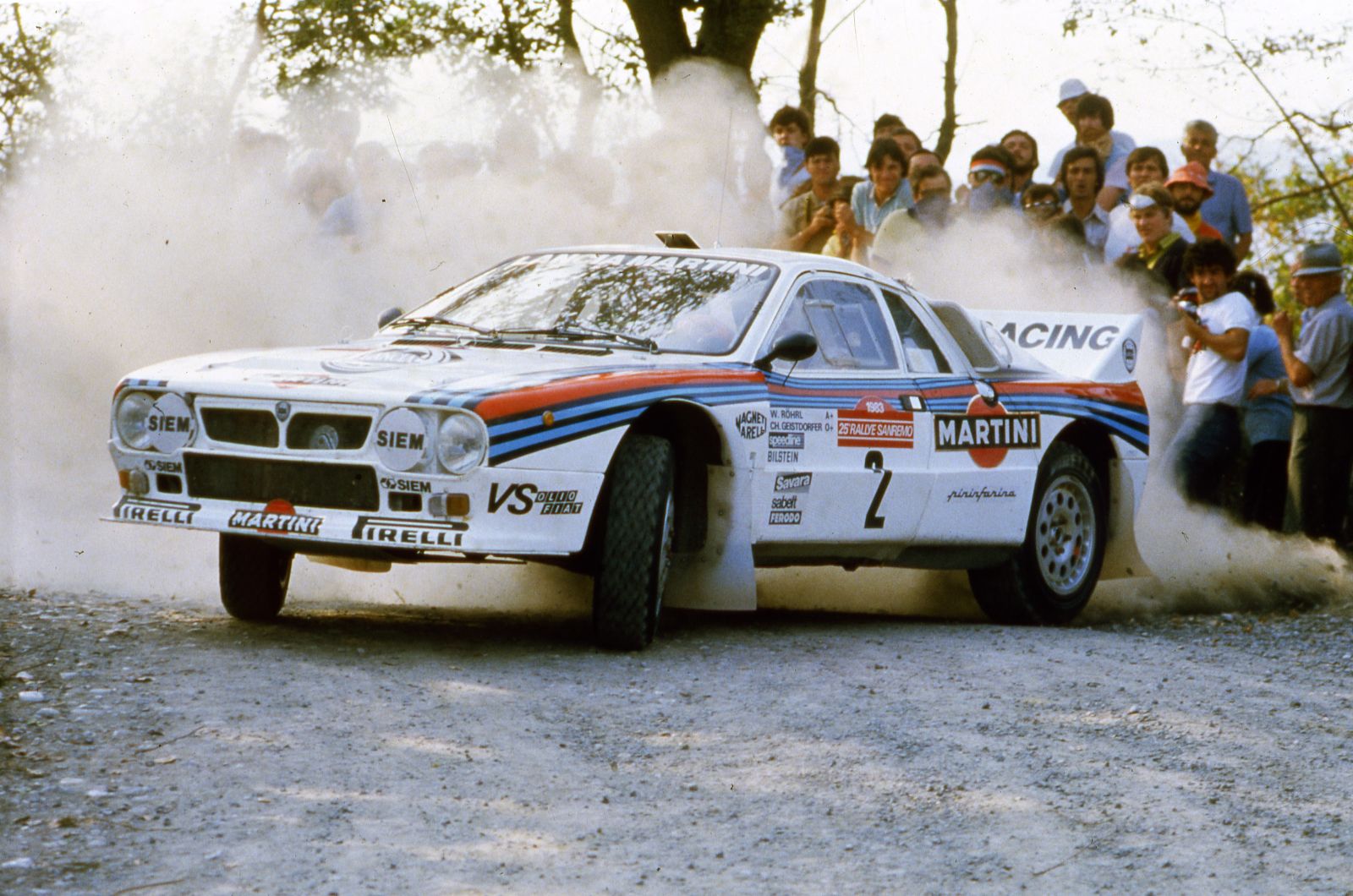
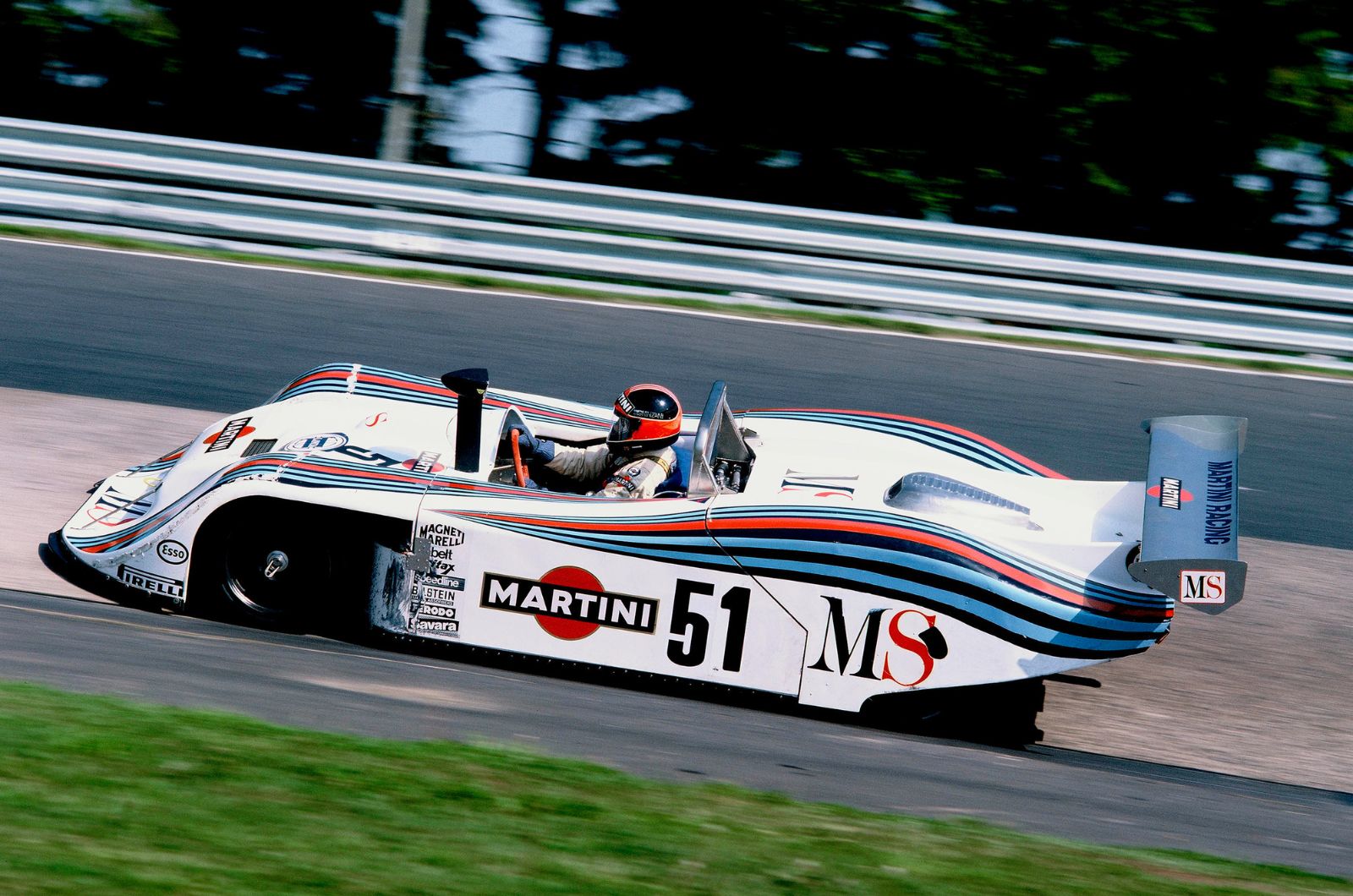
The high-risk, high-reward strategy was to build a car that prioritised straight-line speed over fuel efficiency. Dreamers would call it the ‘anti-Porsche’ ideology; realists would call it naivety. Lancia was already competing in Group 6 endurance racing with the open-top LC1 at the time, but Group C’s new regulations meant teams had to use a coupe-style body and meet even stricter fuel-consumption limits. For the Torinese marque to compete in the '83 season, it needed a radical rethink.
Step one was to appoint Cesare Fiorio – the man who masterminded Lancia’s triumph over Audi in the WRC – to lead the programme, and his immediate problem was to find an engine. The LC1’s four-pot was neither powerful enough (450bhp) nor efficient enough for Group C, so Fiorio decided to leverage Lancia’s relationship with Ferrari as part of the Fiat empire.
Maranello obliged and provided Lancia with the naturally aspirated 3.0-litre V8 from its freshly launched 308 GTB QV, plus access to the engineering brilliance of Nicola Materazzi – the man who would later develop the 288 GTO and F40, as well as the Bugatti EB110.
Materazzi redesigned and strengthened the V8’s architecture for racing, with dual overhead camshafts and four valves per cylinder. He also reduced the displacement to 2.6 litres, strapped on a pair of turbos, and attached the whole unit to a five-speed Hewland transmission.
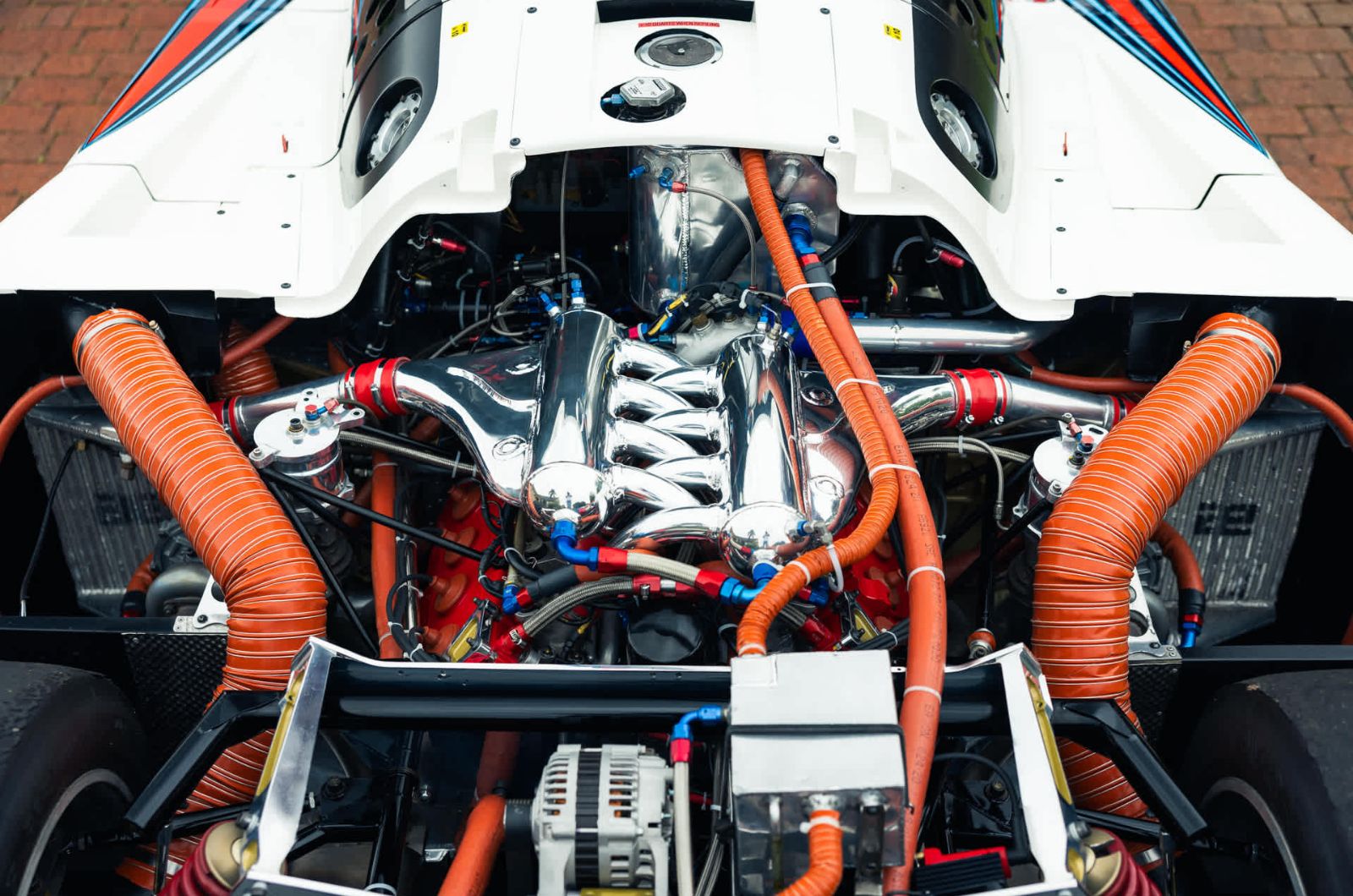
Dyno testing rated the engine at 700bhp, which was certainly competitive. Astonishingly, the LC2 was also capable of putting a massive 800lb-ft of torque to the ground at just 4,800rpm, so its mid-range acceleration was akin to a mini supernova.
And the noise? Pure pantomime. The throaty low-speed burble quickly transformed into a magnificent roar, popping and banging its way into corners with theatrical bursts of flame through the side exits. If minotaurs were real, this is what they’d sound like.
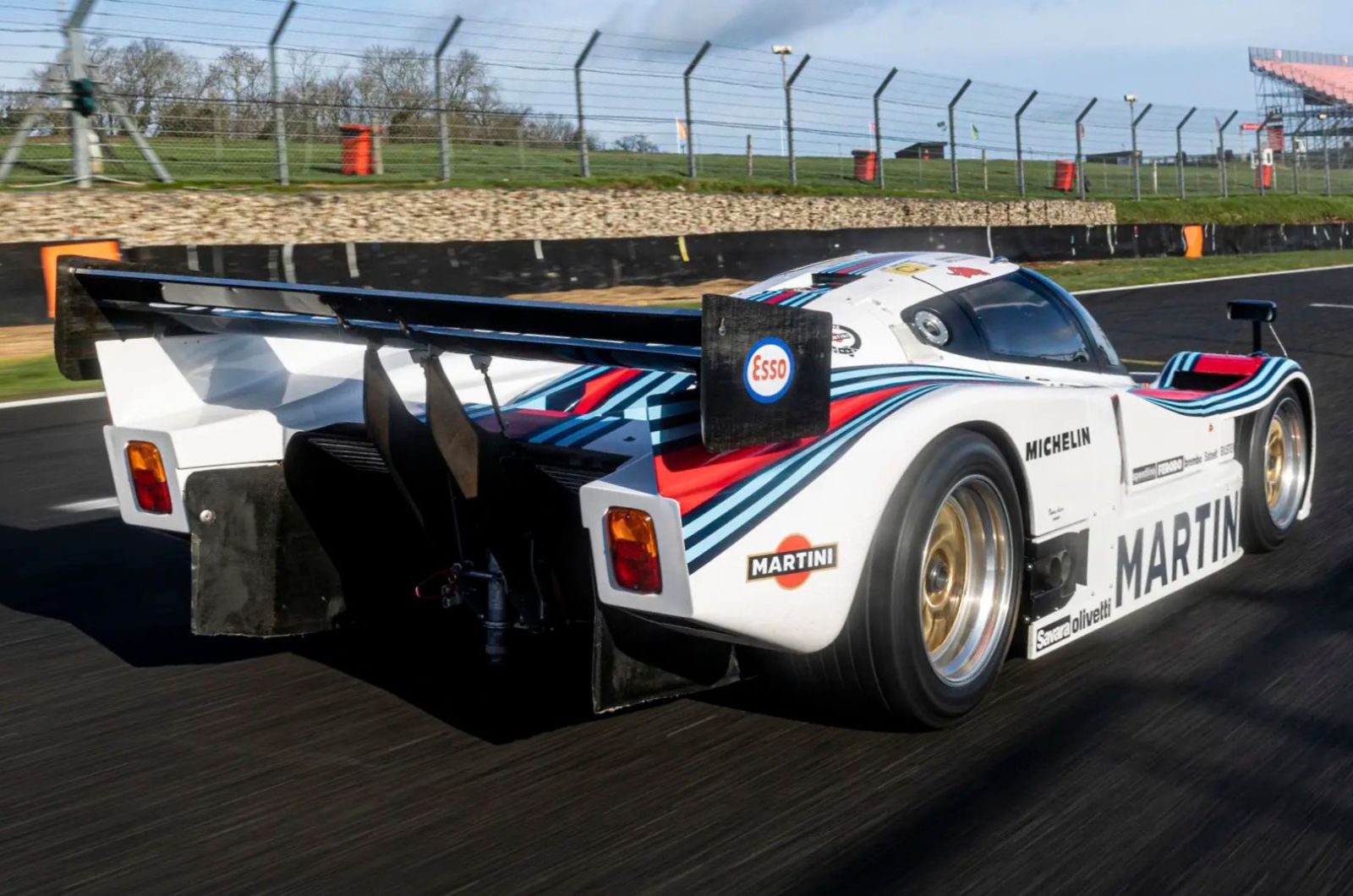
Giampaolo Dallara – founder of the legendary race car firm that bears his name – was drafted in for chassis development, and he opted for an aluminium monocoque frame with Kevlar and carbon body panels. The LC2 also received double wishbone suspension on both axles, allowing its soaring pace to find some composure in the corners.
Abarth had also joined the cause to refine the aerodynamics, leaving the LC2 with one of the most menacing silhouettes in Group C. At the nose sat a gopping great intake that fed the turbos, while the cooling ducts for the brakes were chiselled directly into the side of the bodywork.
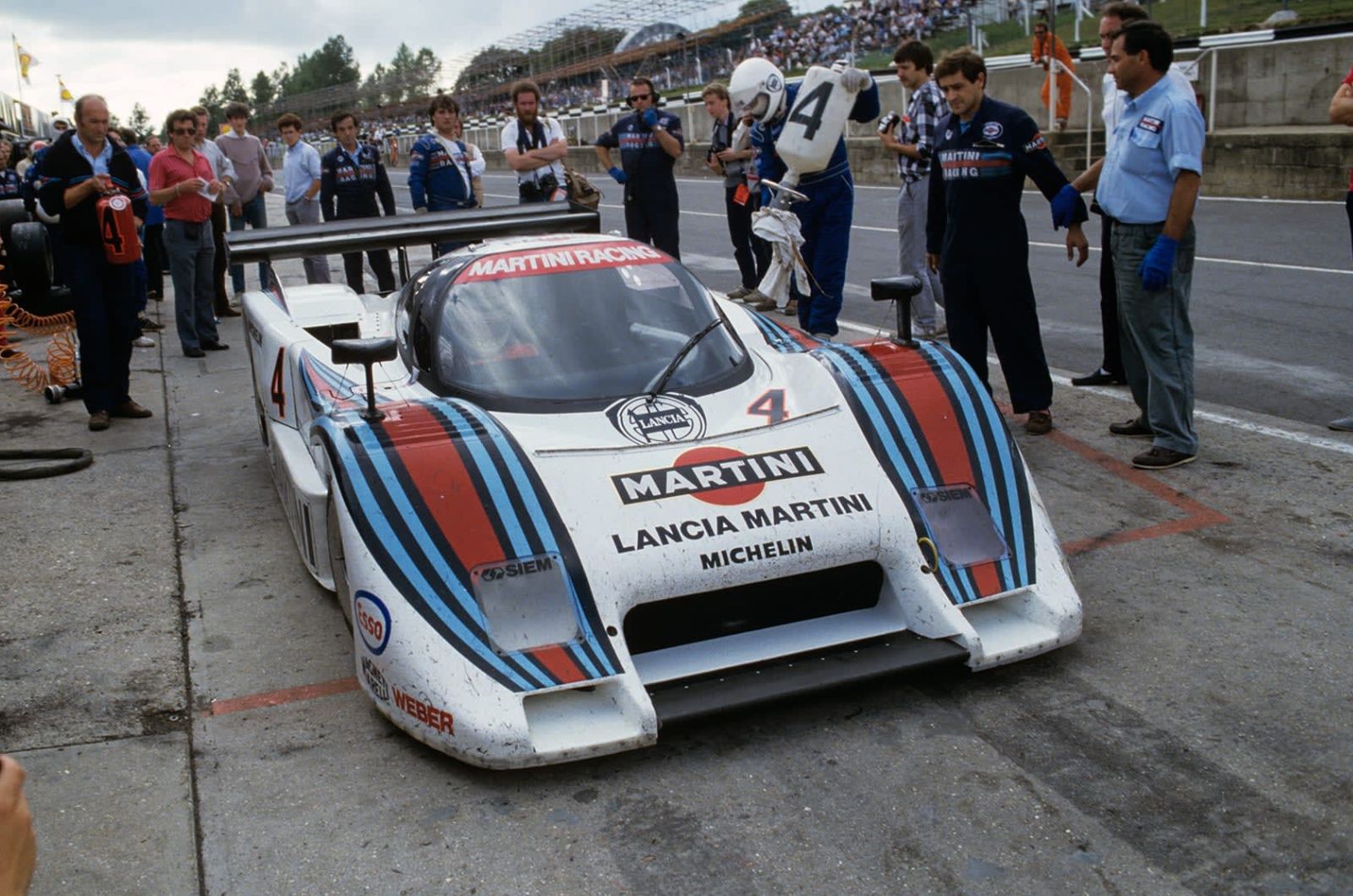
The inlets atop the rear arches looked like miniature black holes, while the rear diffuser’s protruding metal shards were split by a deep crevice reminiscent of a great glacier. Lancia built beautiful racing cars, but this wasn’t beautiful. It was savage.
With testing complete and the target weight of less than 850kg achieved, the LC2 proved superior to the 956 on almost every meaningful metric. But as Lancia would find out, Group C racing would seldom be kind. Ambition has its limits.
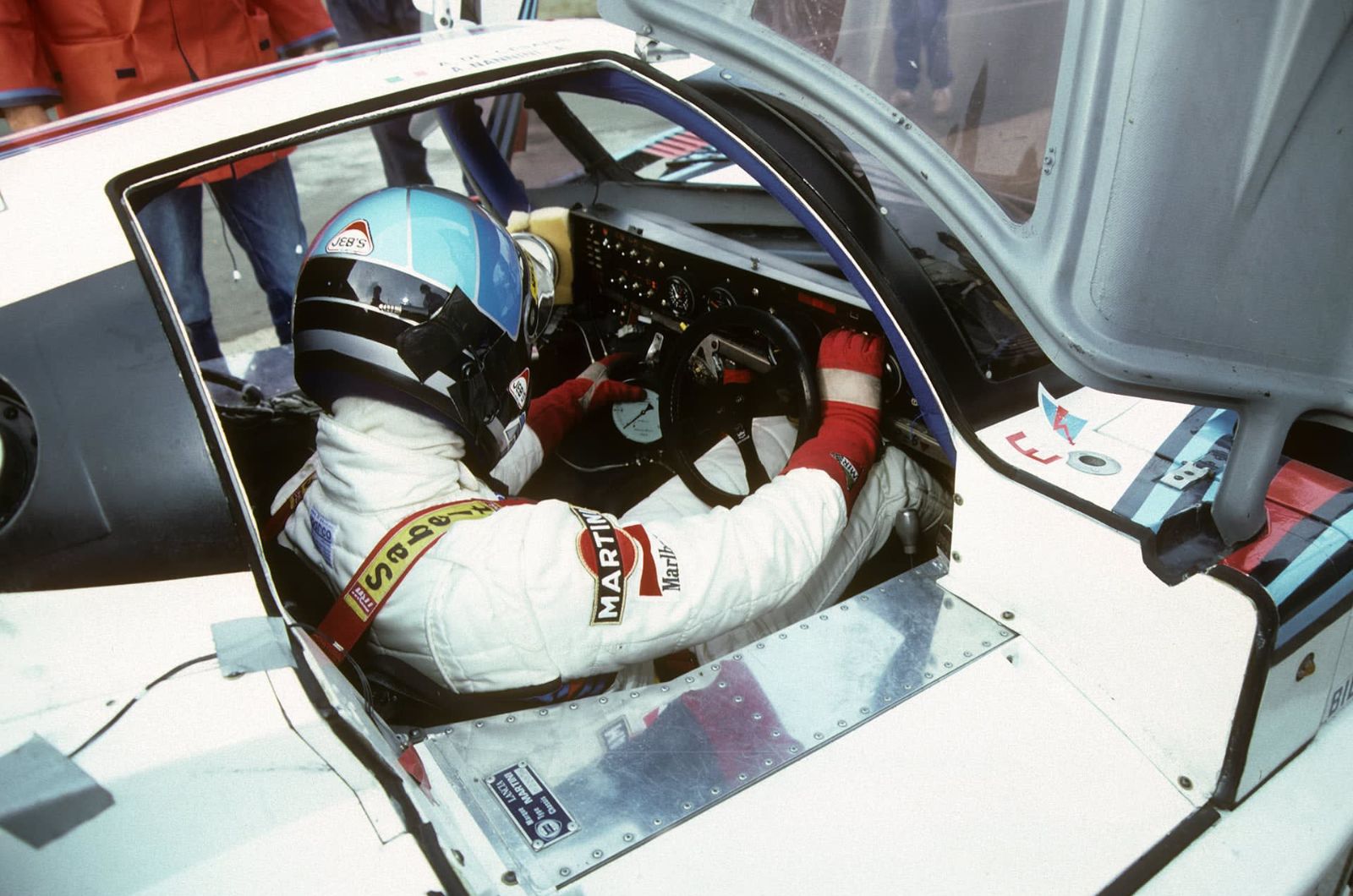
The season opener took place on home soil at Monza, and the LC2s, draped in fresh Martini liveries, had spectators swooning. You can only imagine the ecstasy when works driver Piercarlo Ghinzani put his car on pole, outqualifying the fastest 956 by over a second.
The race itself was a stark contrast. The Pirelli Radial tyres struggled to neutralise the LC2’s intense powertrain and downforce combination, forcing Ghinzani to retire, while Riccardo Patrese’s sister car was plagued with fuel issues, crawling to the finish line 12 laps behind the lead 956.
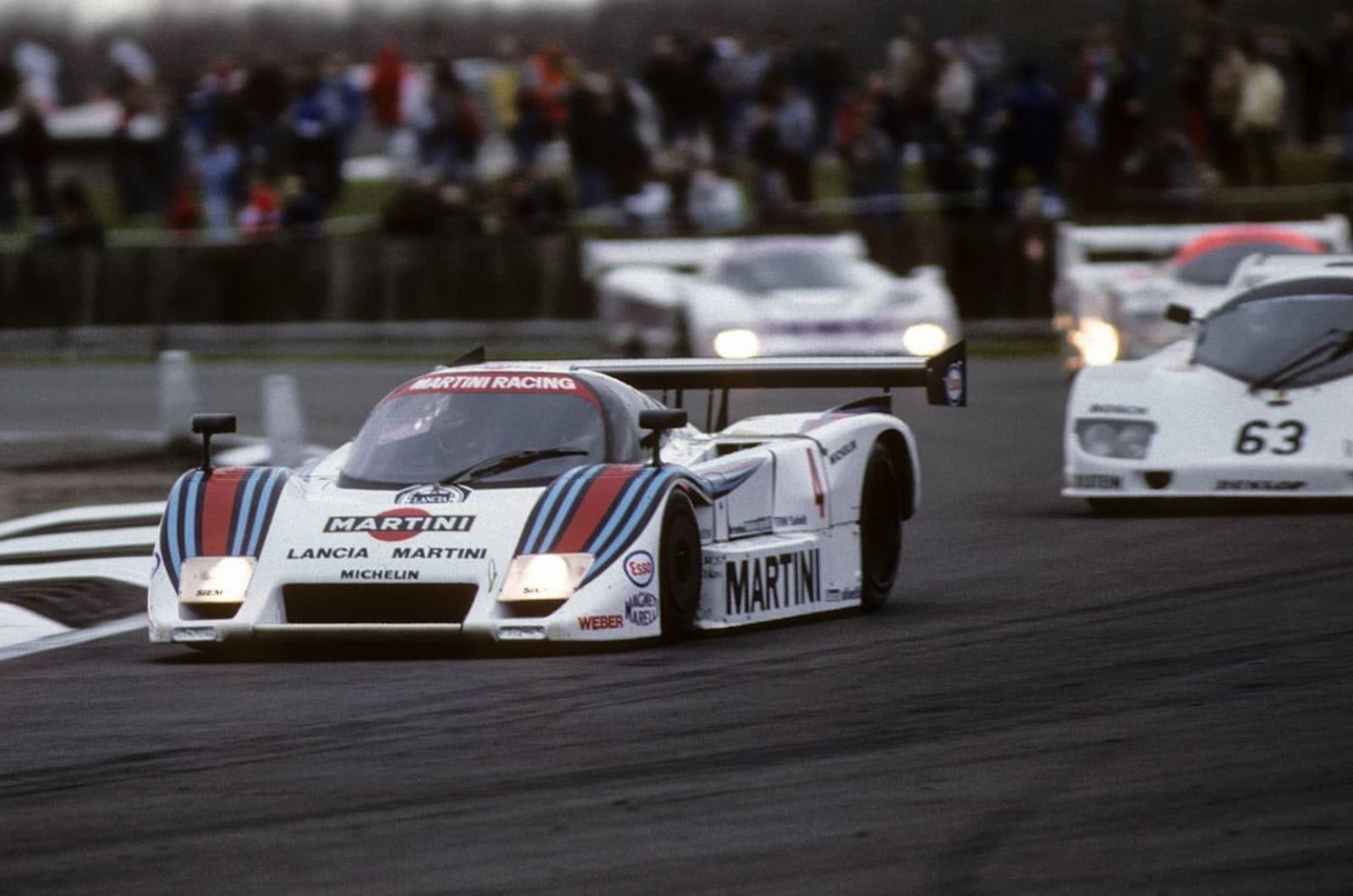
Rounds two and three – 1000 kilometres at Silverstone and then the Nürburgring – followed a similar pattern. The Lancias were supersonic in qualifying, but too brittle to go the distance. Perhaps endurance racing’s most famous eight-and-a-bit miles of tarmac, Le Mans, would prove different? The Mulsanne Straight wouldn’t get its chicanes for another seven years, and the LC2 would be faster than anything else through high-speed sections like Tertre Rouge and the Porsche Curves.
Unsurprisingly, one of the factory-backed cars qualified on the front row, with another only a few places behind. They matched the Porsches stride for stride, jostling for the lead while producing some fantastic wheel-to-wheel racing… until the inevitable. All three entries retired with mechanical failures, and to rub further salt in the wound, each of the top eight finishing positions was occupied by 956s. Ouch.
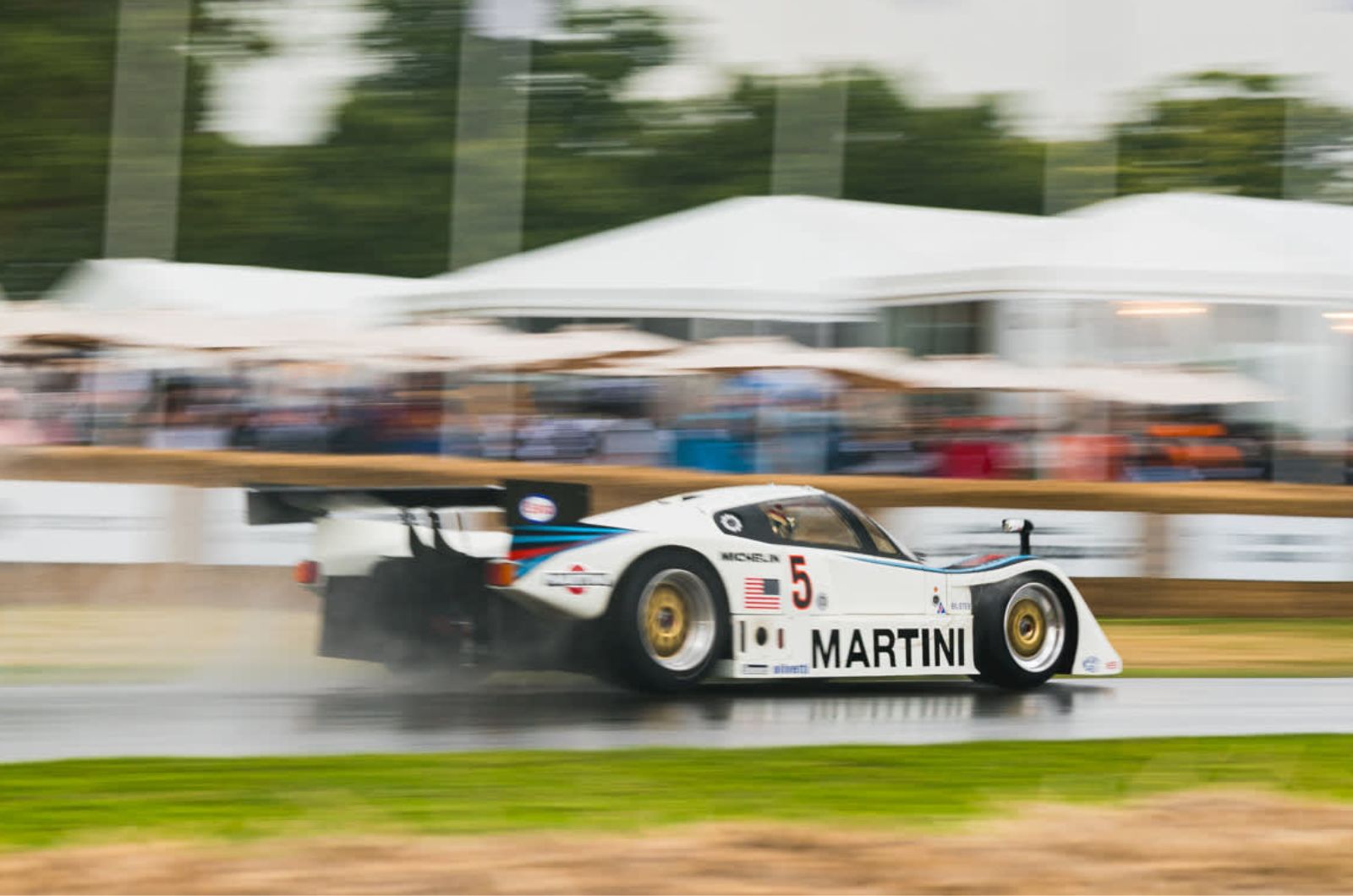
The works team didn’t score points until the fifth round at Spa, skipping the sixth to focus on the 1000km of Imola, where Lancia finally outsmarted and outpaced Porsche to claim its maiden Group C victory. Imola signalled a major turn in form, as it was followed by a succession of podium finishes that drew the season to a close, generating much optimism for the next season.
Lancia’s response was to restore the V8’s displacement to 3.0 litres and increase the turbo pressure to 3.0 bar boost, meaning the LC2 could run closer to 850bhp at full chat. The electronics were revised once again, improving fuel efficiency by 15 per cent. The brakes were lightened, the suspension tweaked for better grip, and Michelin arrived as the new tyre partner.
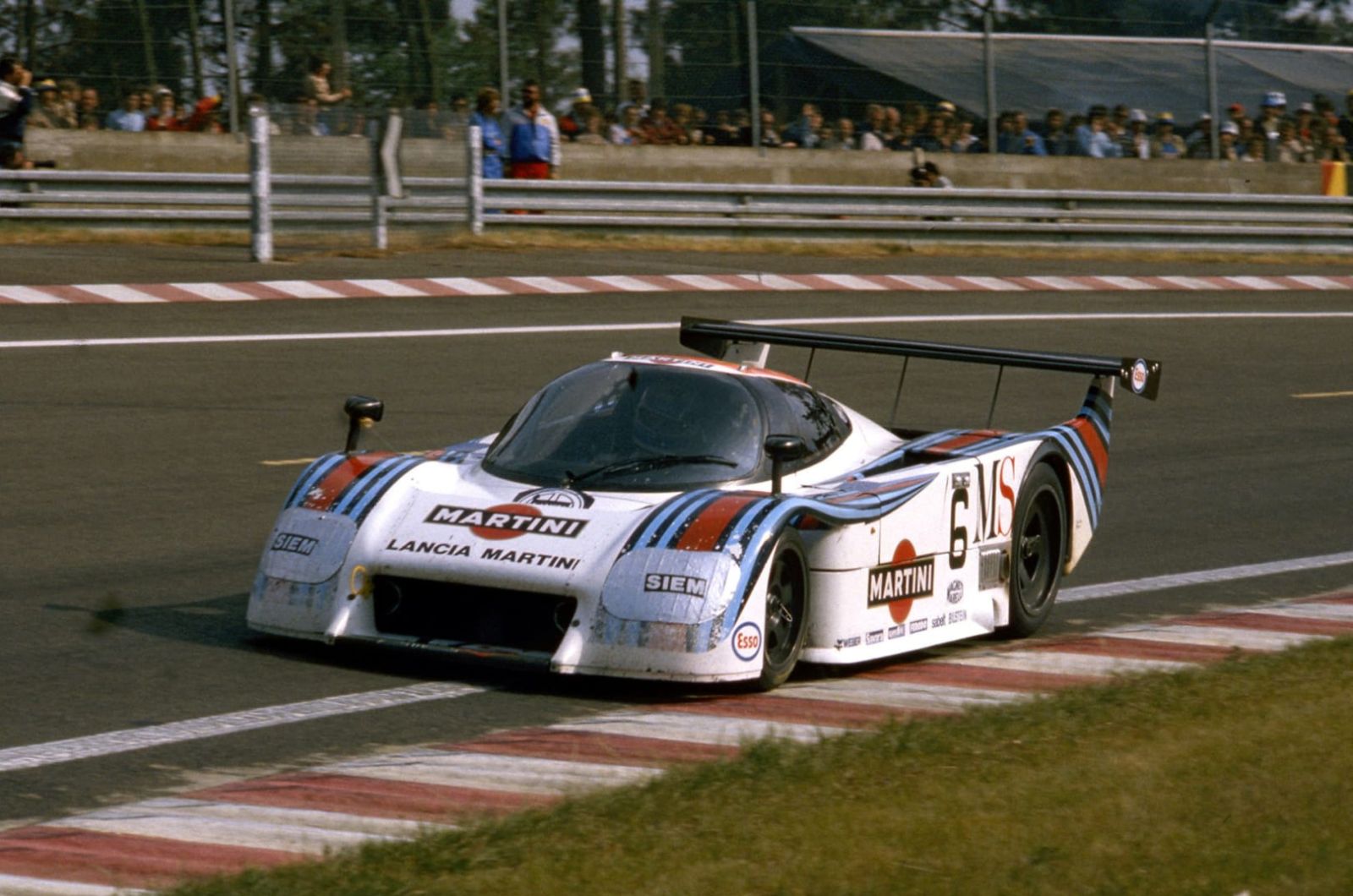
The bodywork saw changes too, with a second set of brake cooling ducts added beneath the headlights, the shape and angle of the rear wing adjusted for more optimised aero, and the panels around the rear pontoon morphed to accommodate the bulkier engine.
Lancia’s efforts paid dividends: one of the LC2s scored a podium in the traditional Monza season opener, before recording a fourth-place finish at Silverstone. The car was edging ever closer to realising its potential, so the team had every right to back themselves.
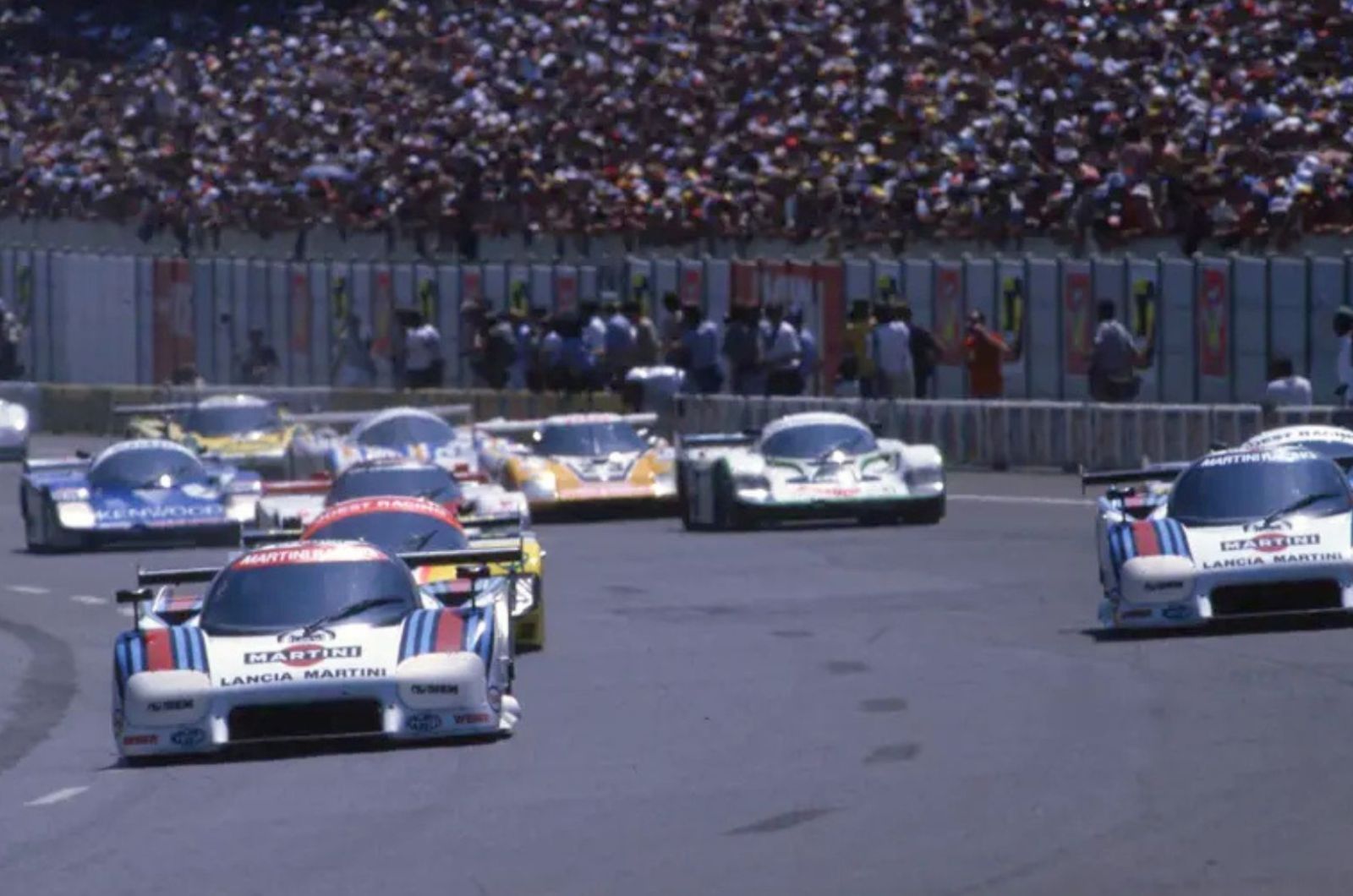
The third round at Le Mans was a bitter pill to swallow, though. The driver pairing of Alessandro Nannini and Bob Wollek dominated in qualifying, locking out the front row. They were three seconds faster than the other works Lancia, and a scarcely believable nine seconds faster than the quickest Porsche. In fact, Nannini’s 3m 17.11s lap was one of the quickest ever recorded at Le Mans before the chicanes were added. And he didn’t stop there.
He clocked the fastest lap of the race, and for the first 12 hours, the LC2s treated the Porsches like playthings, carving through traffic and storming into the distance. It was rampant. But a series of gearbox and gasket issues torched their advantage, and the sole car to finish did so in eighth place overall.
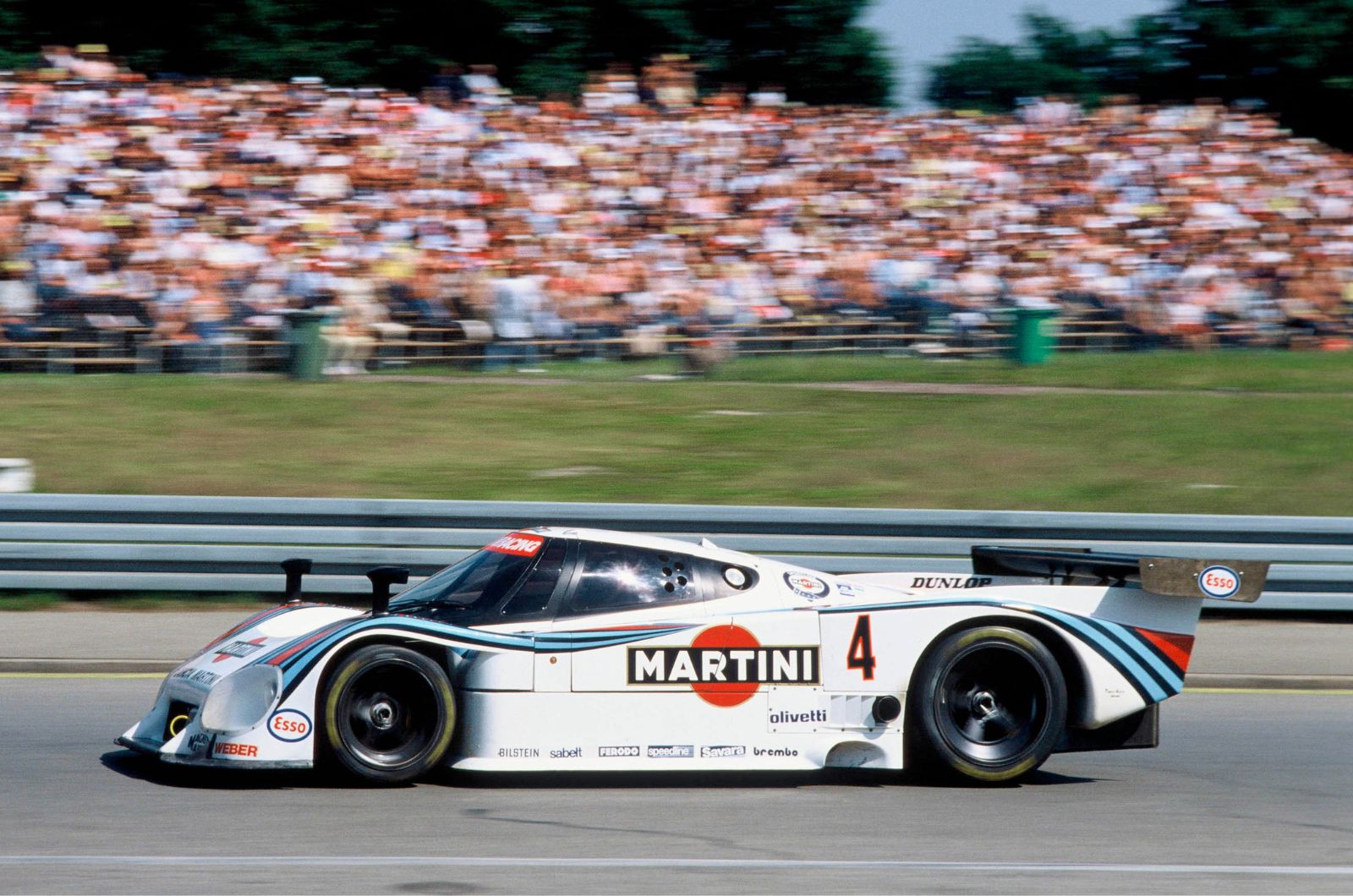
Lancia bounced back with another podium at the Nürburgring, before taking a 1-2 finish at the Porsche-less Kyalami event – a second outright win for the LC2. The cars had shown improvement that year, but Lancia’s accountants were running out of patience, and the teams needed to start converting those pole positions and near misses into wins. Fast.
For the LC2’s third season in racing, the engineers once again revised the engine electronics, added new camshafts and increased the compression ratio. The body was expanded to the maximum permitted width of two metres, boosting aerodynamic efficiency while further improving cooling capacity.
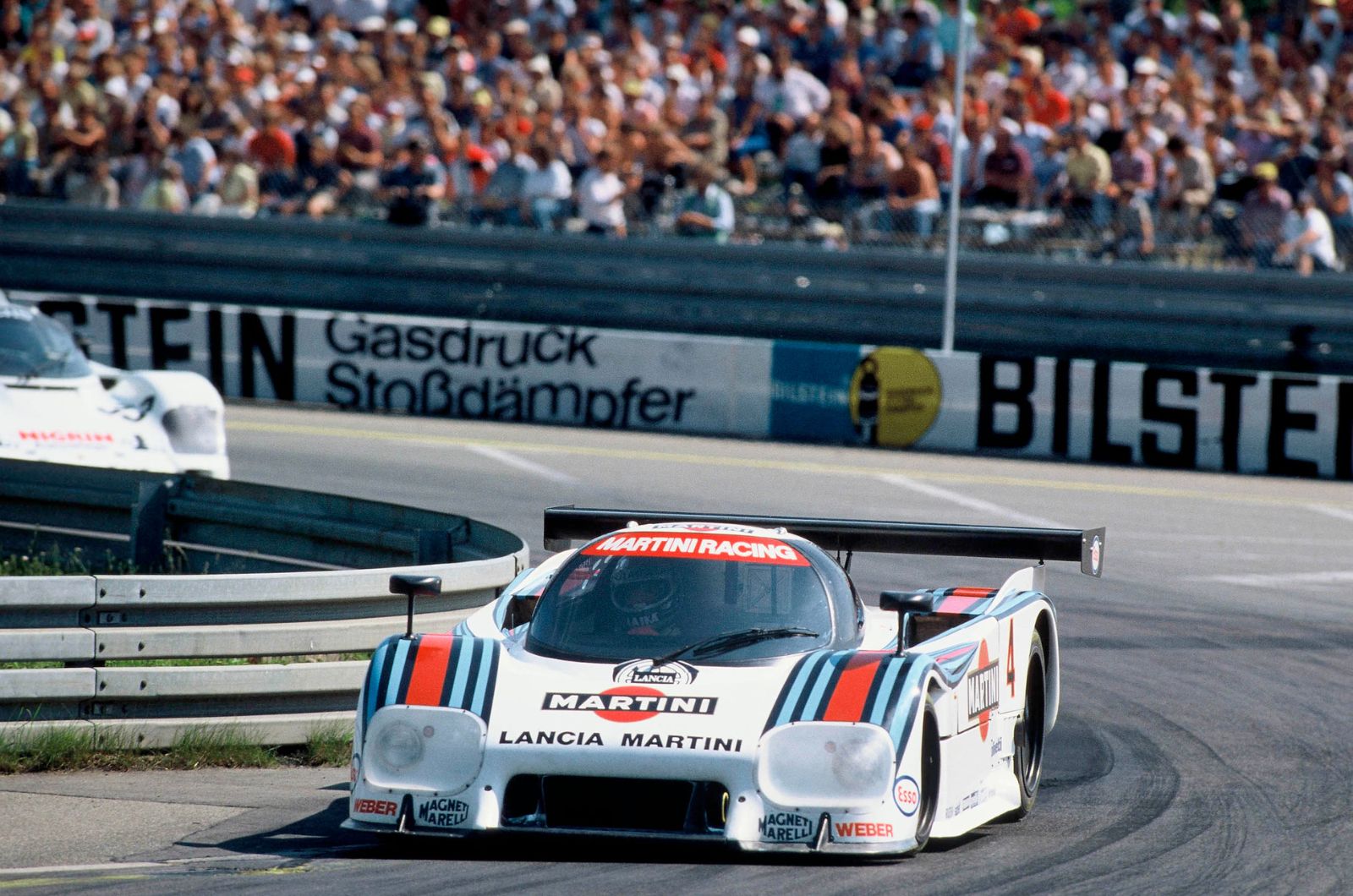
In the do-or-die season of '85, the LC2s took pole in each of the first three races but had a single fourth-place finish to show for it. Le Mans was no different; they clocked an incredible 247mph on the Mulsanne Straight, but there was little else to shout about. That year's only victory came at Spa, an event clouded in despair as Stefan Bellof, one of the factory 956 drivers, suffered a fatal accident.
It was a third successive finish behind Porsche in the championship, and Lancia’s suits had seen enough. One works car did compete in '86 with virtually no backing, but with reliability as poor as ever, the plug was eventually pulled on that car too. Despite the best efforts of privateer teams, who continued to race LC2s until ‘91, the narrative never really changed.
In all, the LC2 programme yielded 13 pole positions, 11 fastest laps and three victories from 51 starts – and therein lies the cruel paradox of this wonderfully wild machine. It rarely worked, but when it did, not a single closed-cockpit car on God's green earth could catch it. If ever there was a racing car that embodied the Jekyll-and-Hyde complex, this was it.
Comments
Loading comments…