Austin Huffman: from washing cars to building an exhaust empire
We sit down with the Valvetronic Designs founder to talk car culture, core memories and why the Carrera GT inspires such obsession
I consider myself extremely fortunate to have been born into a family of enthusiasts at the very heart of East London’s modified car scene; my formative years were spent kissing apexes on Gran Turismo and being whisked away for joy rides in 500-horsepower Toyota Supras. It was fantastic.
Unfortunately, that passion didn’t manifest itself into a profession until I was already well into my 20s, when I started to put pen to paper and got paid for it. My biggest regret in life is not finding a way to break into the automotive sphere sooner – something Austin Huffman did, and did well.
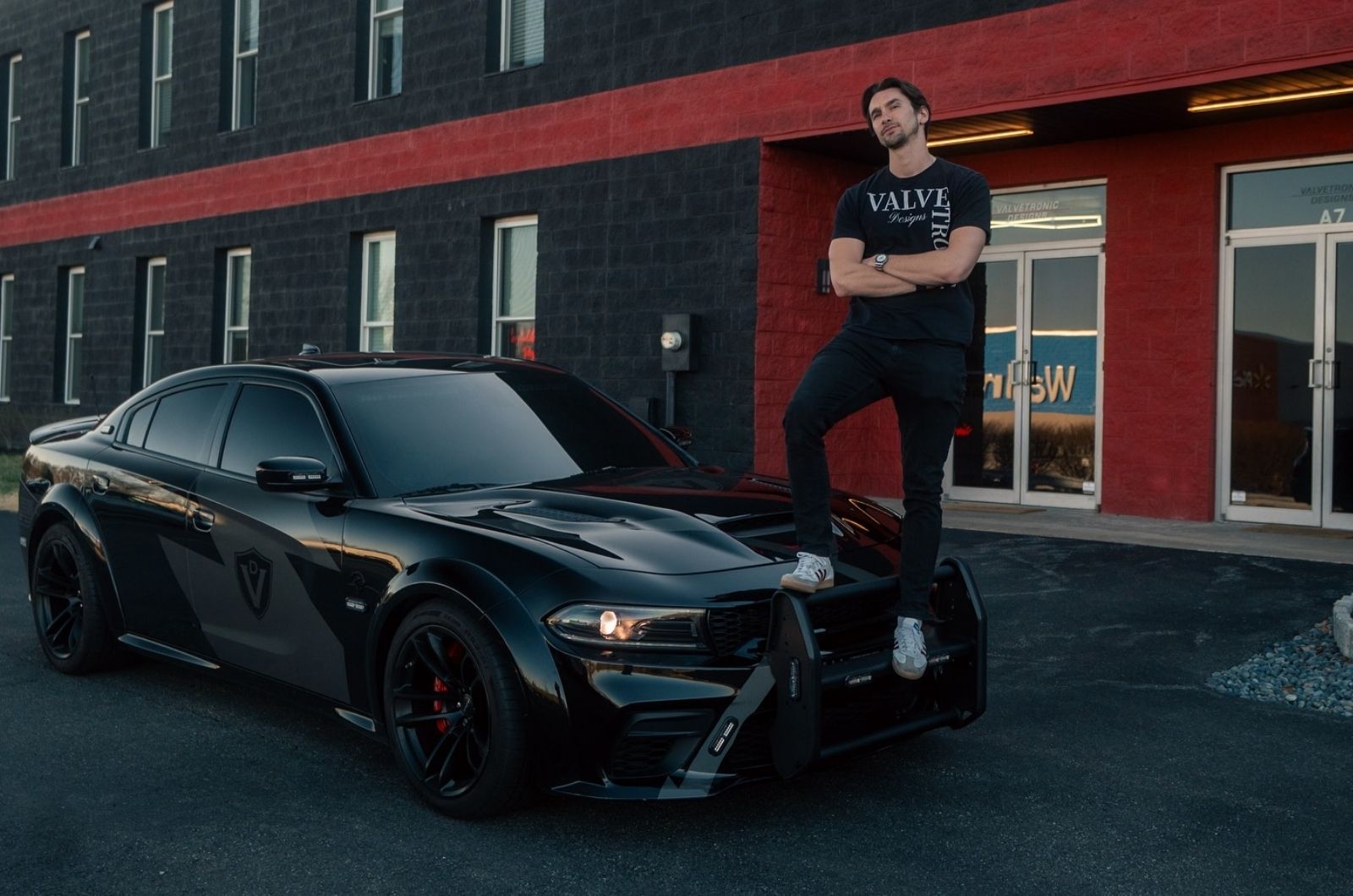
He founded Valvetronic Designs – an aftermarket valved exhaust specialist – while still in college. In the near-decade since, he has become a key player in the segment while building a sizable following of his own.
“I was nine years old, in the back of a diesel 7 Series on a family holiday in Italy. Out of nowhere, I heard this high-pitched wail and saw a silver Audi R8 with carbon side blades come barrelling past. My head turned. My ears tingled. My jaw dropped. It was the moment that sealed my fate.”
By the age of 14, Austin had already turned his obsession into a business, detailing cars from his parents' garage. His first customer rocked up in a 996 Turbo Cabriolet. There are worse initiations.
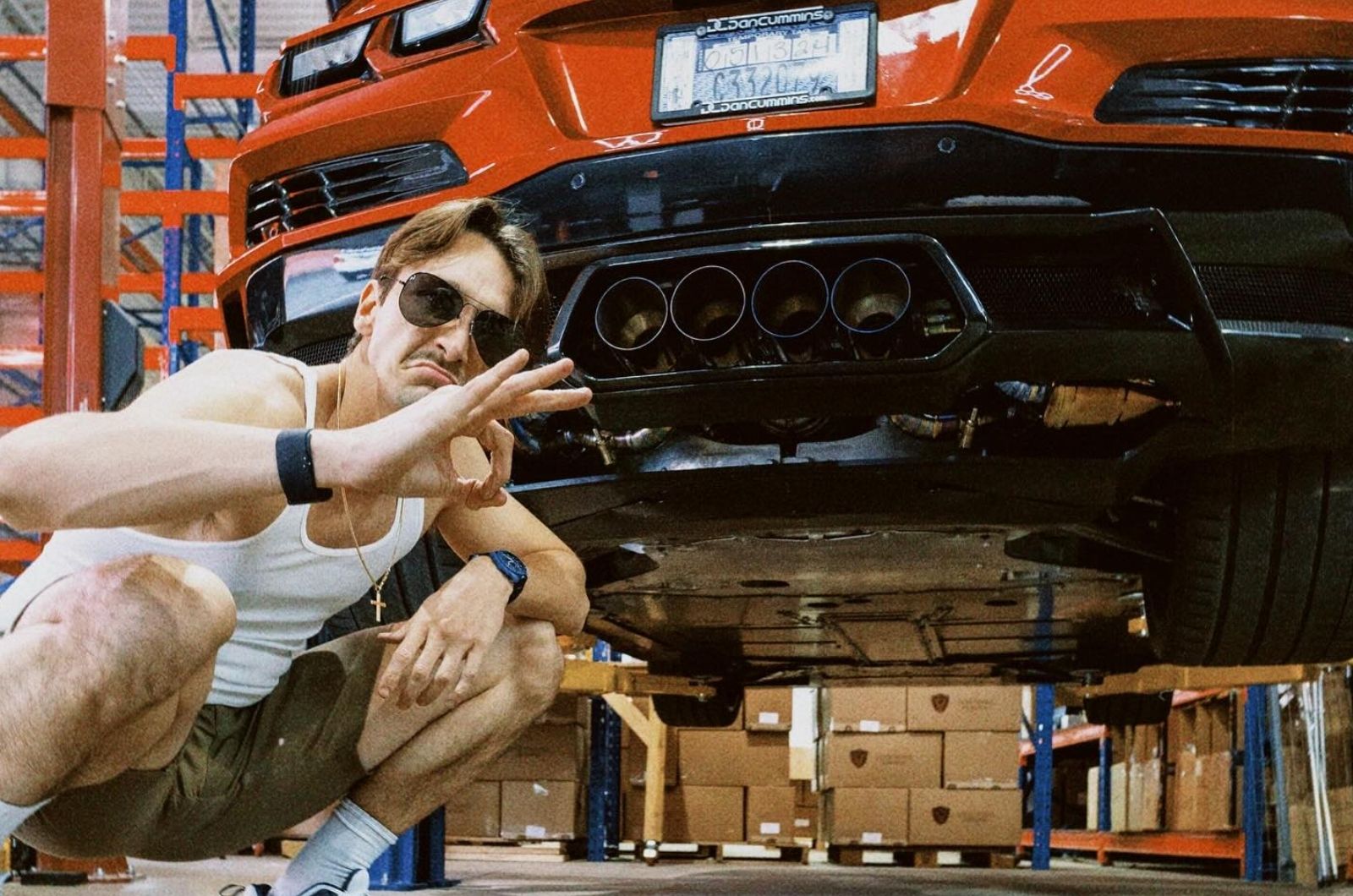
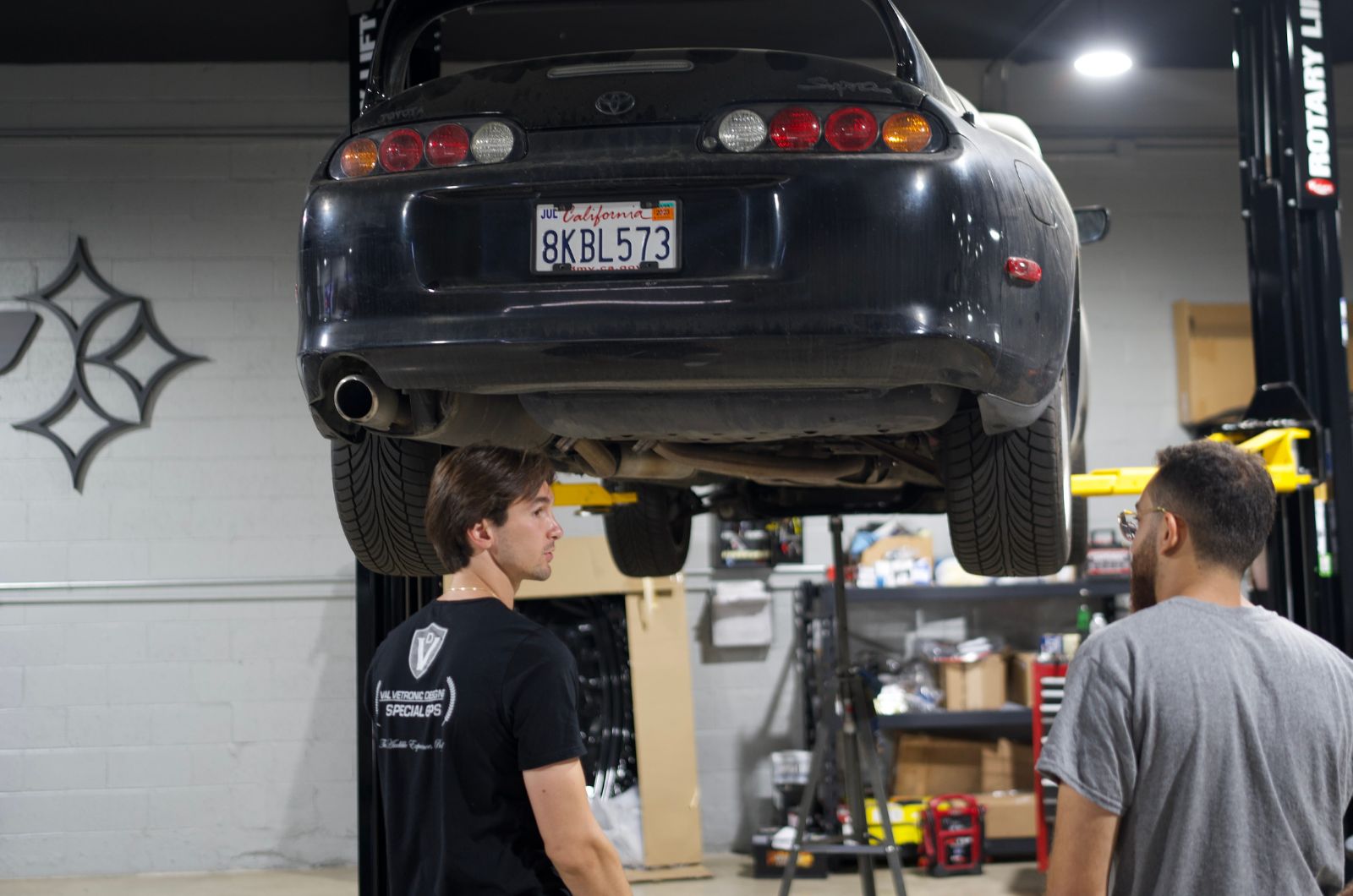
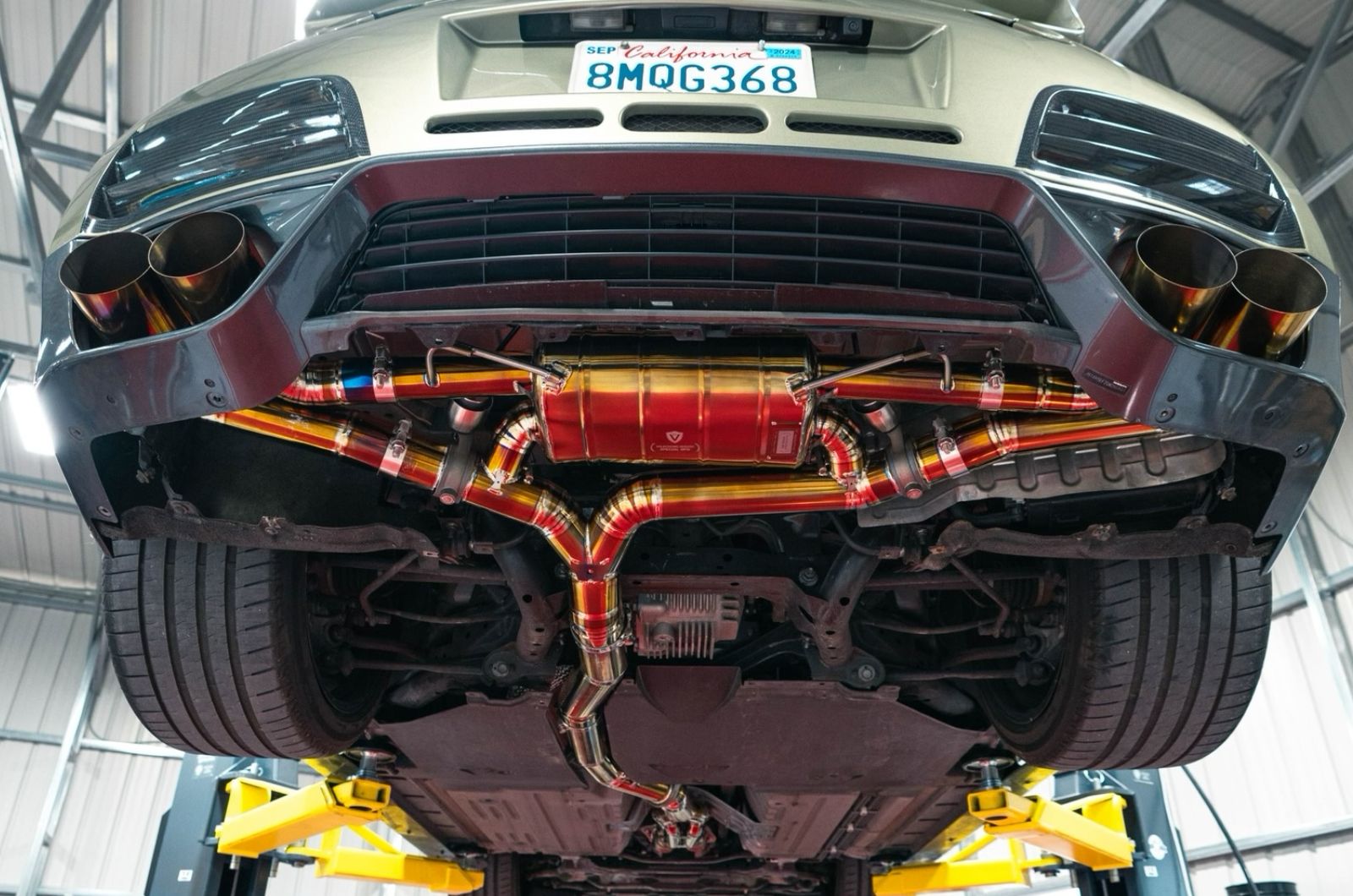
“I bought my first ‘interesting’ car in college – an E92-generation 335i. My mother hated that car because I’d made it so loud, so she gave me an ultimatum: sell it or make it quieter. My solution was to create a muffler bypass system where, when the valve was shut, the engine noise was heavily sedated. I used a simple controller to manage the valve, and once I perfected my design, I realised I was onto something.”
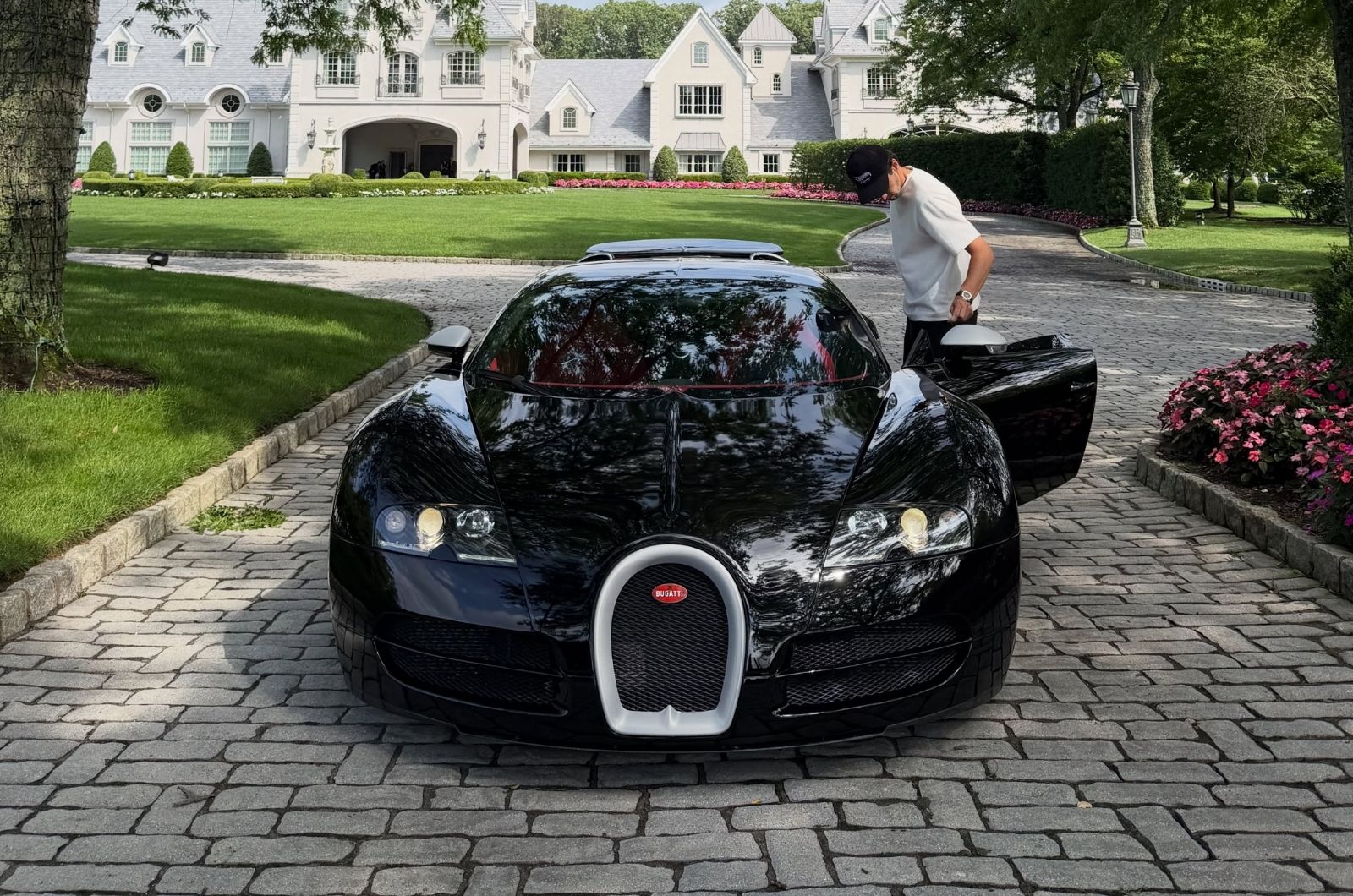
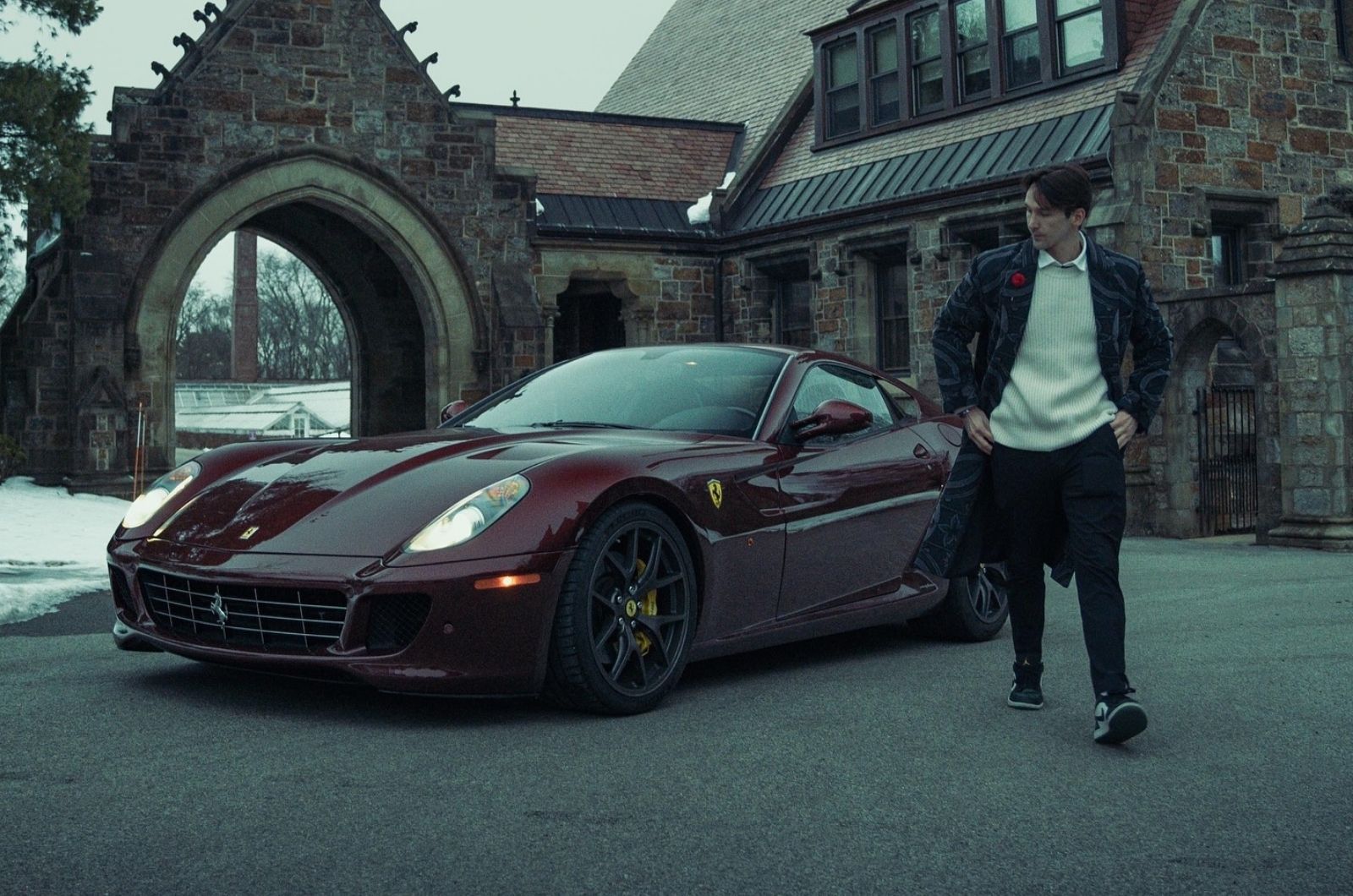
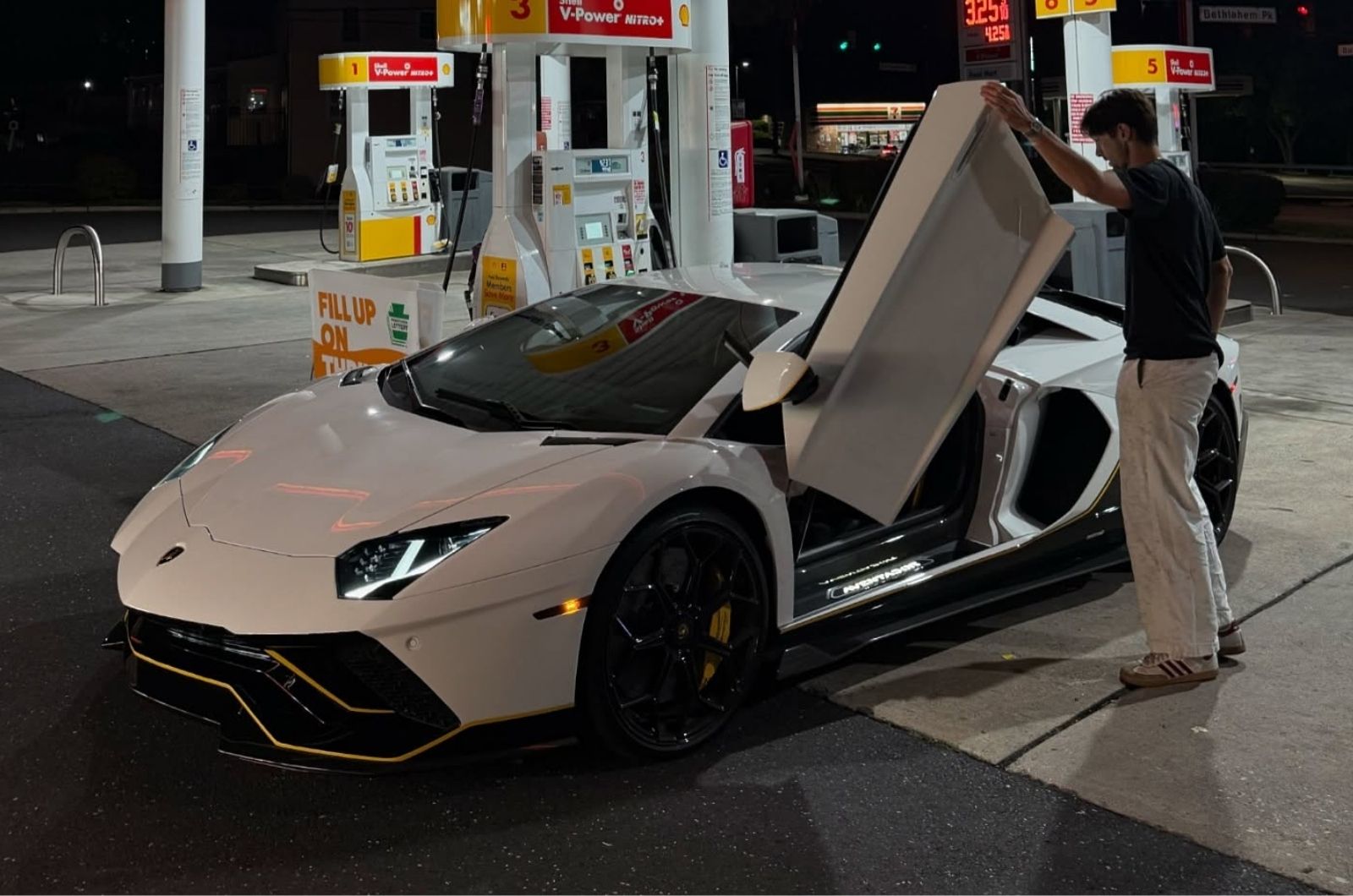
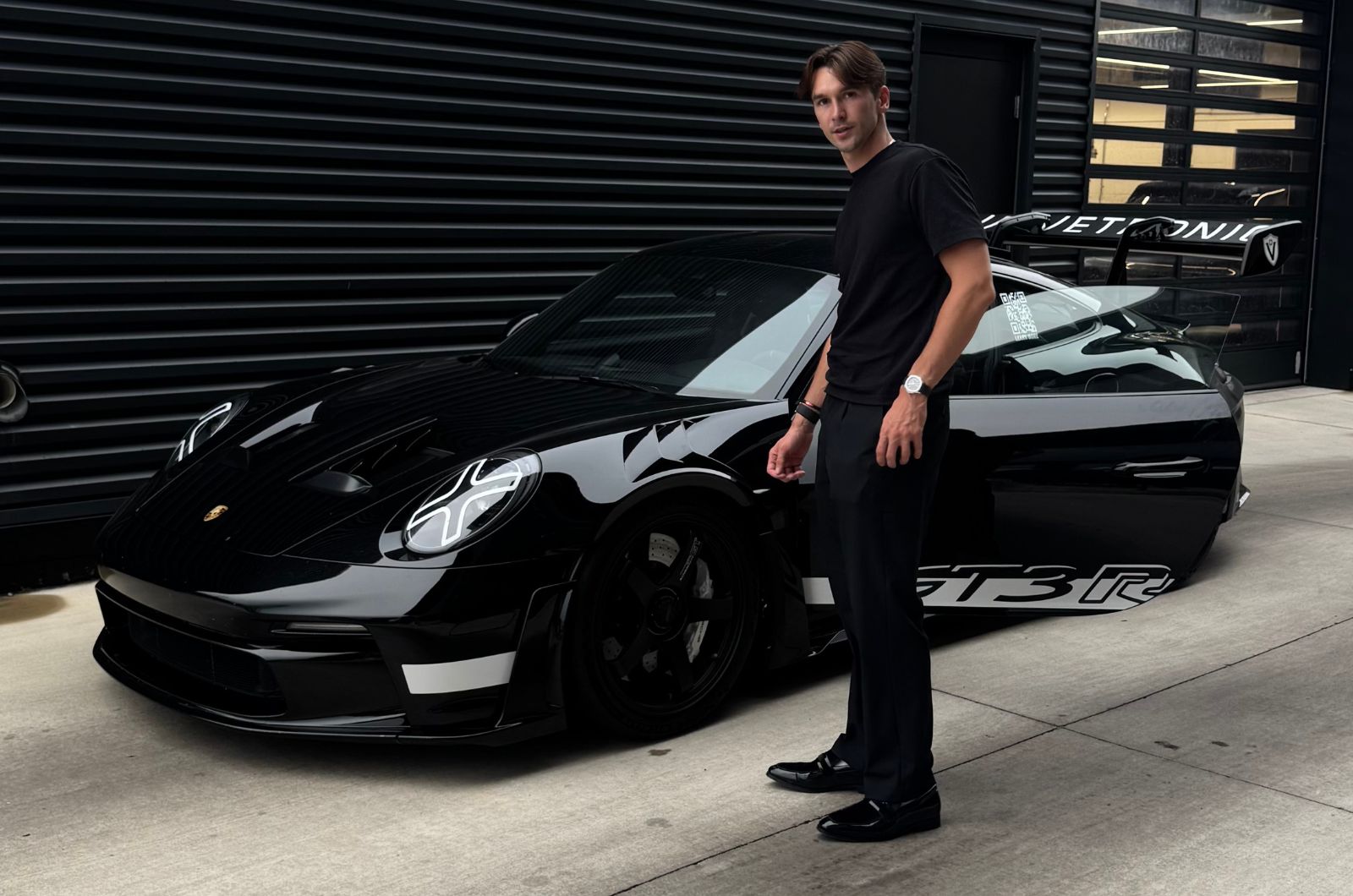
From there, Valvetronic grew rapidly. Austin now owns a Bugatti Veyron 16.4 and a Lamborghini Aventador Ultimae (which he dailies), although the crown jewel is a Basalt Black Porsche Carrera GT.
“It’s obvious why the CGT has risen so much in value over the last few years. It’s raw and unique, and offers the sort of analogue experience that you just don’t find in modern supercars. It’s a car which actually sucks if you don’t drive it with intent: the clutch is jerky, it stalls easily, and the cabin has virtually no sound deadening, which isn’t great when the ancient carbon tub rattles so much.
“But when it all comes together, and you know what you’re doing – I mean, you really know what you’re doing – there’s nothing like it. The engine sounds otherworldly, and the gearbox is unbelievably satisfying when you get your shifts right. It feels quicker than my Ultimae too, despite being older, less powerful and rear-wheel drive. You need to be a good driver to get the best out of it.”
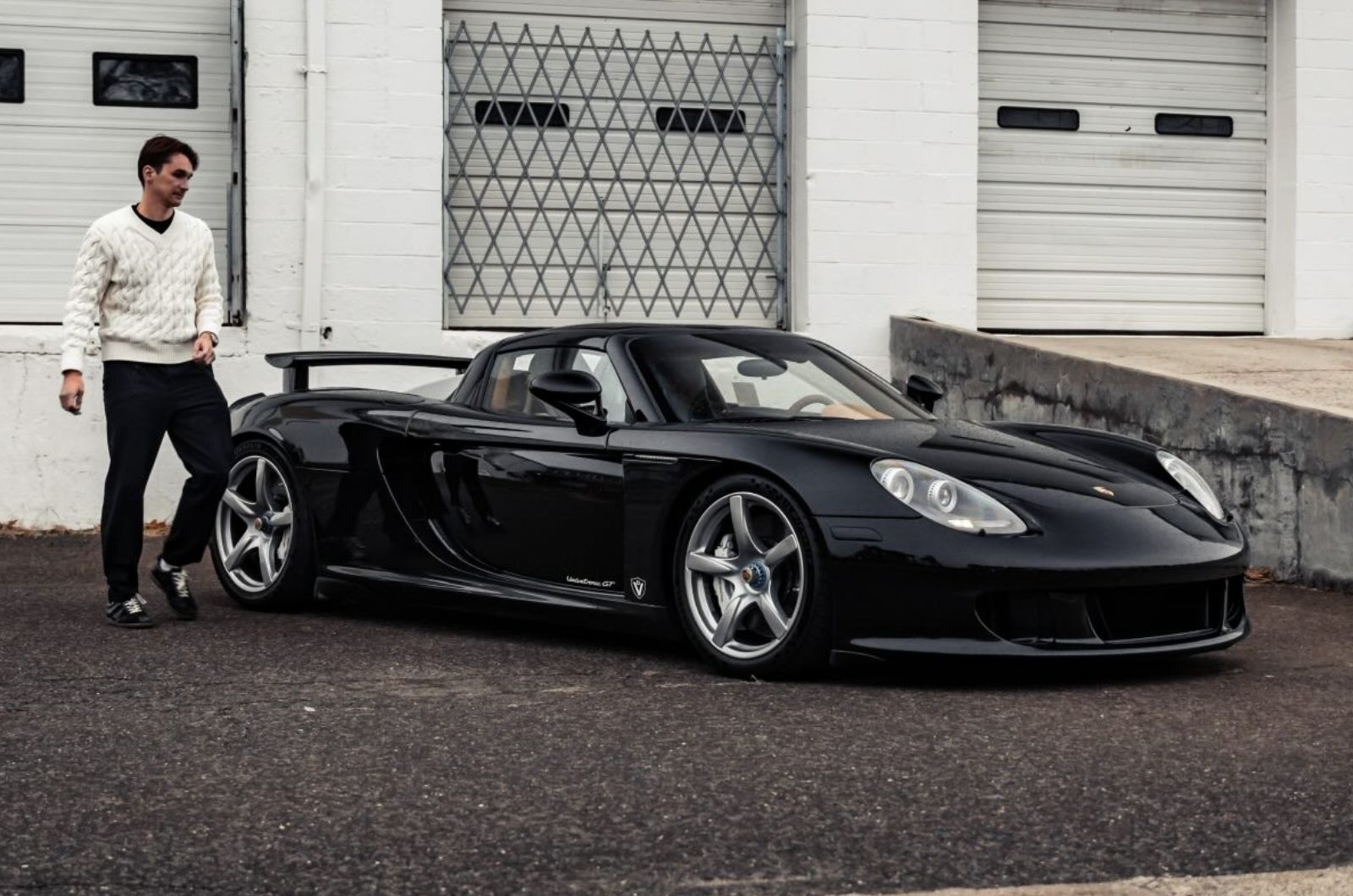
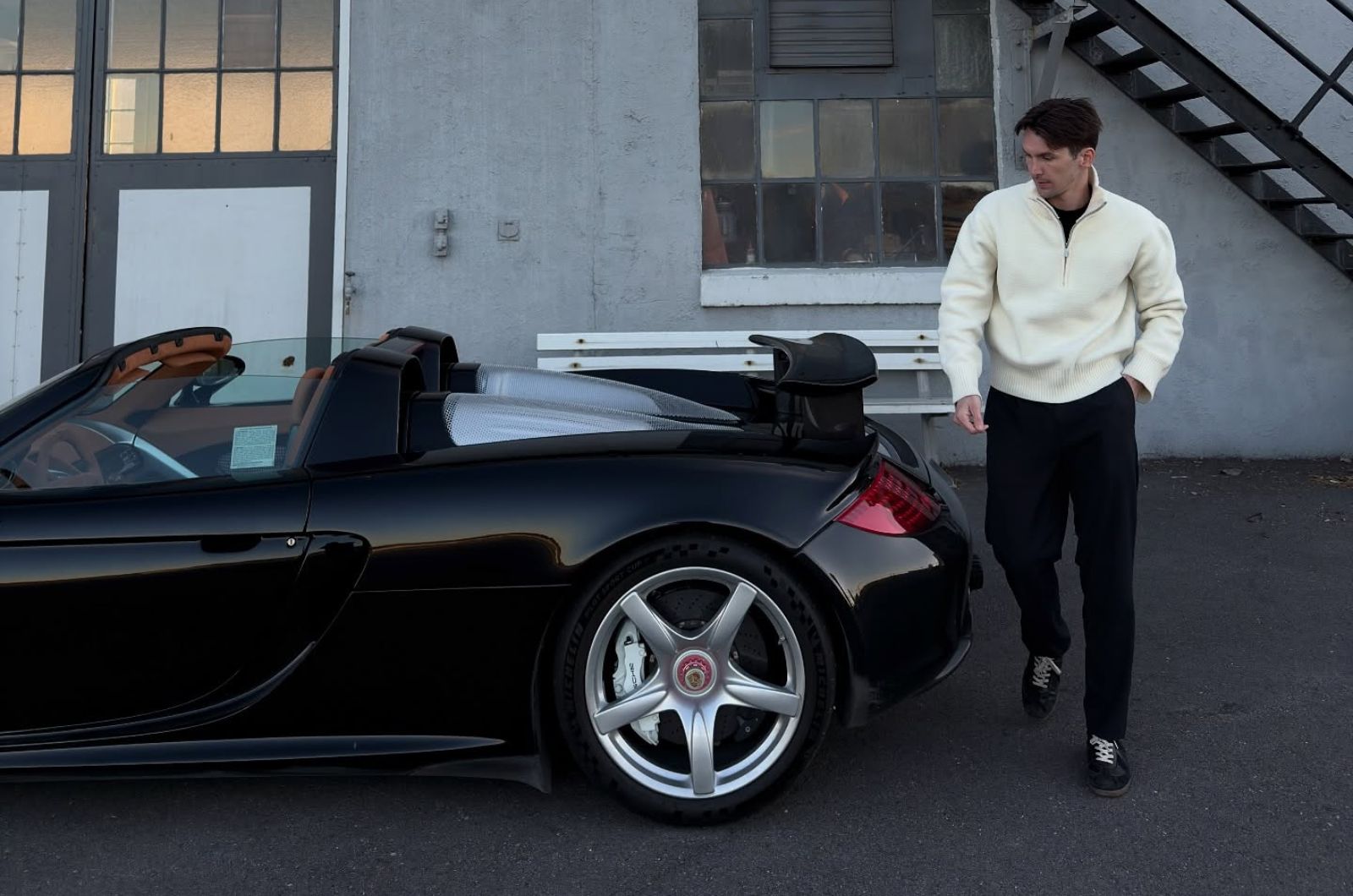
The CGT's unforgiving nature has been well documented over the years. The most tragic example remains the 2013 crash that claimed the lives of Roger Rodas and Paul Walker.
“It was really sad, and a harsh reminder of what this sort of car can do if you aren’t giving it the respect it deserves. It can be really unpredictable and have zero pity on you. I’ve been lucky, I think. Getting it sideways opens up a bit of a Pandora’s Box, because if you overrotate, or get a slight loss in steering angle, the car steps out before you know it.”
But despite the extraordinary machinery at his disposal, Austin’s personal favourite could come as a shock to many.
“I love my Miata, because it’s completely dry to the core. Things happen in slow motion, and you really have to gauge your inputs. The car is tactile and super enjoyable in that sense. People always look at me and say all this malarkey about ‘the grass is greener with supercars’ but if everything went away and I only had my Miata left, I’d be stoked.”
Austin displayed many admirable traits during our chat: he was thoughtful, ambitious and refreshingly honest. But the one characteristic that outshone all others was his genuine affection for driving.


“It isn’t necessarily about how fast you go, but how your hands and feet communicate with the car, and what you see and feel through it. The car becomes an extension of you; a mechanical device that you control and dictate the outcomes for. When you find that sense of connection and a state of balance, magic is made.
“There’s absolutely nothing like being alone on an open road, feeling the suspension reverberate through your spine, and the wheels giving you constant feedback about the surface. I truly feel at peace behind the wheel.”
But Austin was keen to stress that cars are only half of the equation, highlighting the importance of the other key ingredient: people.
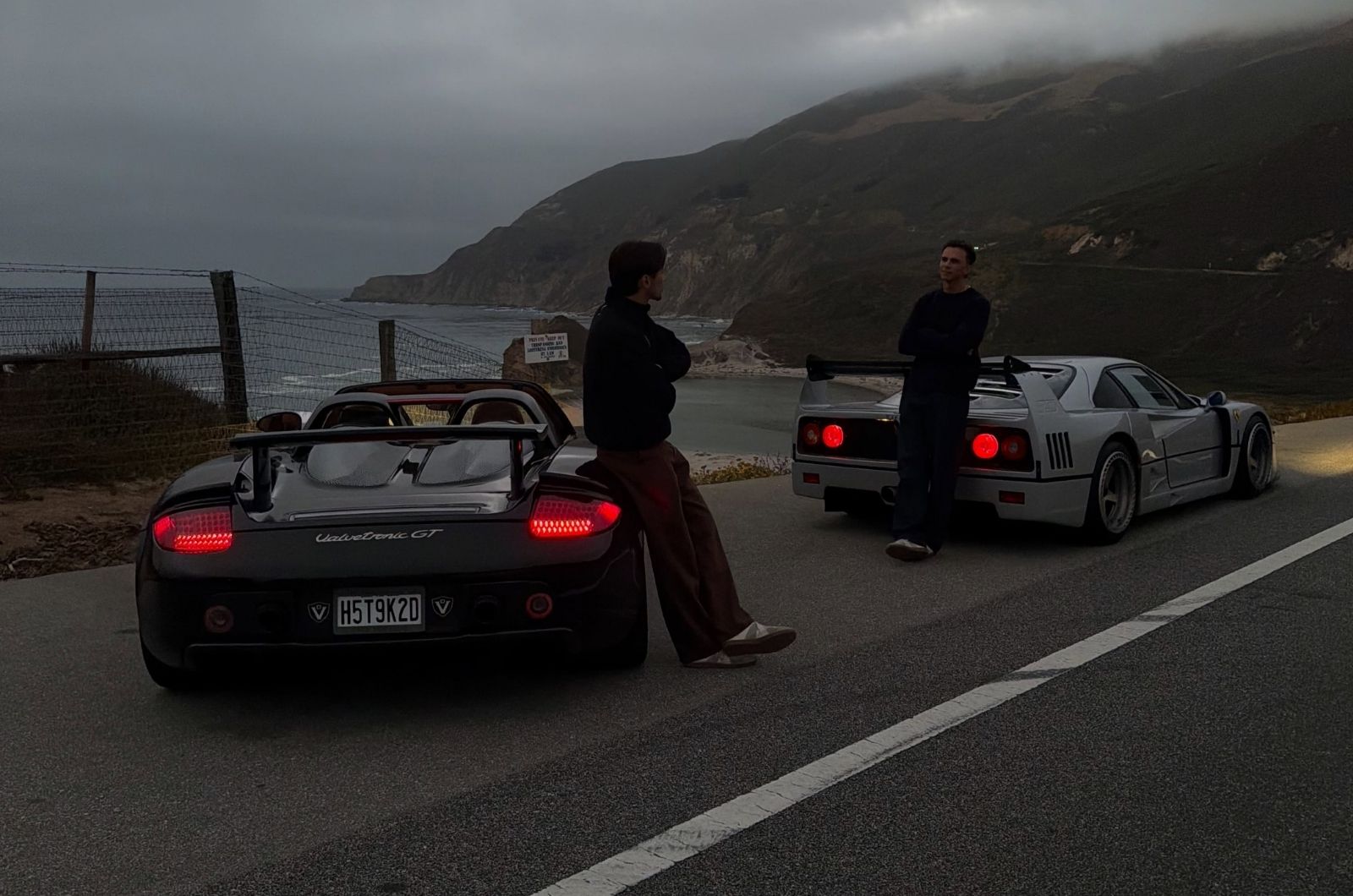
“A senator stopped by at our place earlier this month, and the guy drives a Boxster. A senator… in a Porsche Boxster. They’re not supposed to have cars like that. But he grew up in that sort of circle, so it’s what he knows and loves.
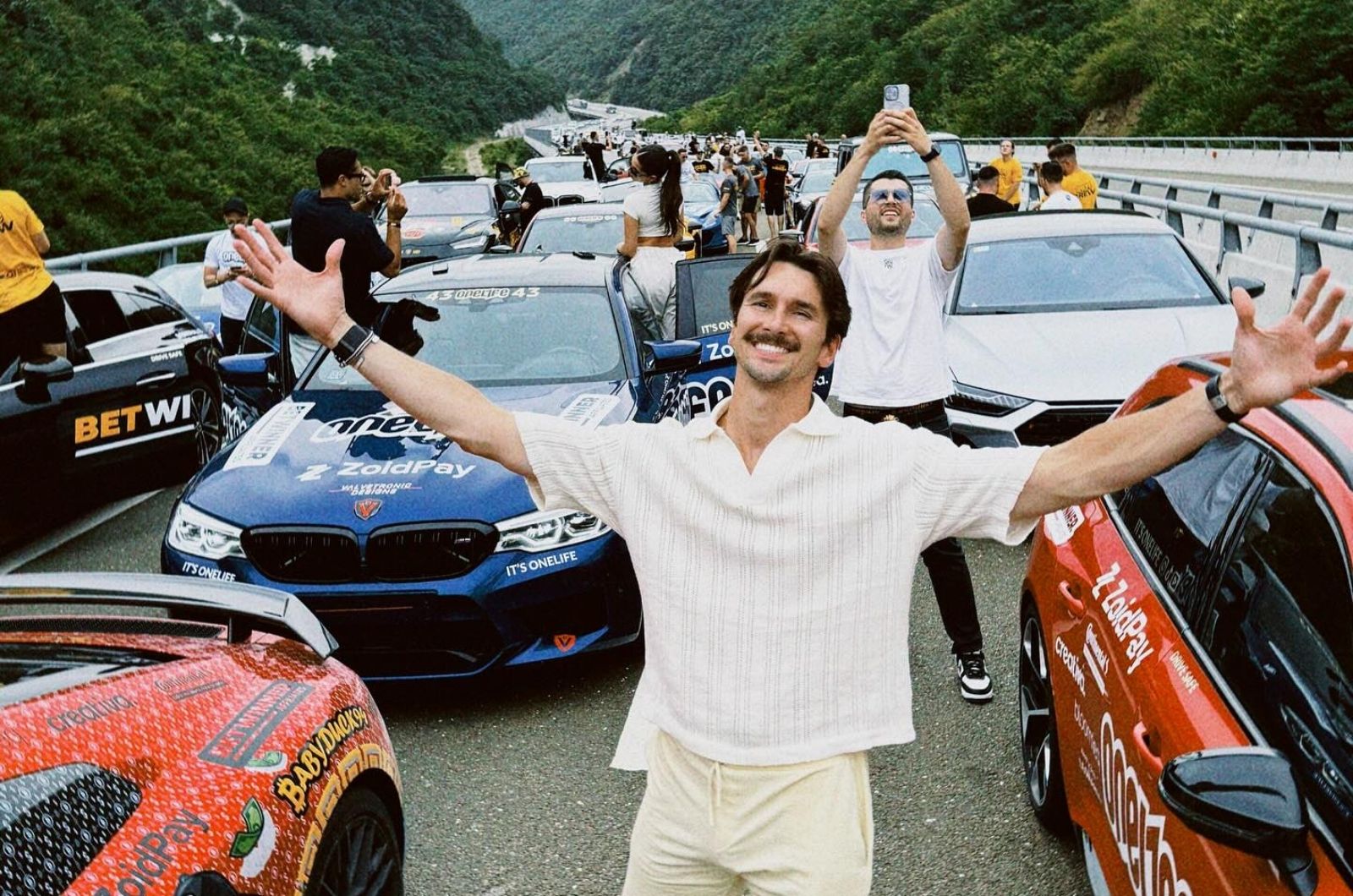
“That is precisely what car culture is: it brings people together from all walks of life. Your age, ethnicity, status and sexuality don’t single you out. Everybody is equal. You meet up, talk, run a drag race or burn some doughnuts, and everybody goes home with a big smile and a full heart.
“There's room for almost everyone, whether you like driving cars, detailing, building engines or taking photos; the sky is the limit. It’s up to you to figure out where you belong in that bubble, but it’s a wonderful journey to go on.
“In truth, cars are a really stupid hobby. But it creates a safe space for millions of people, and the importance of keeping that alive cannot be understated.”
Comments
Loading comments…